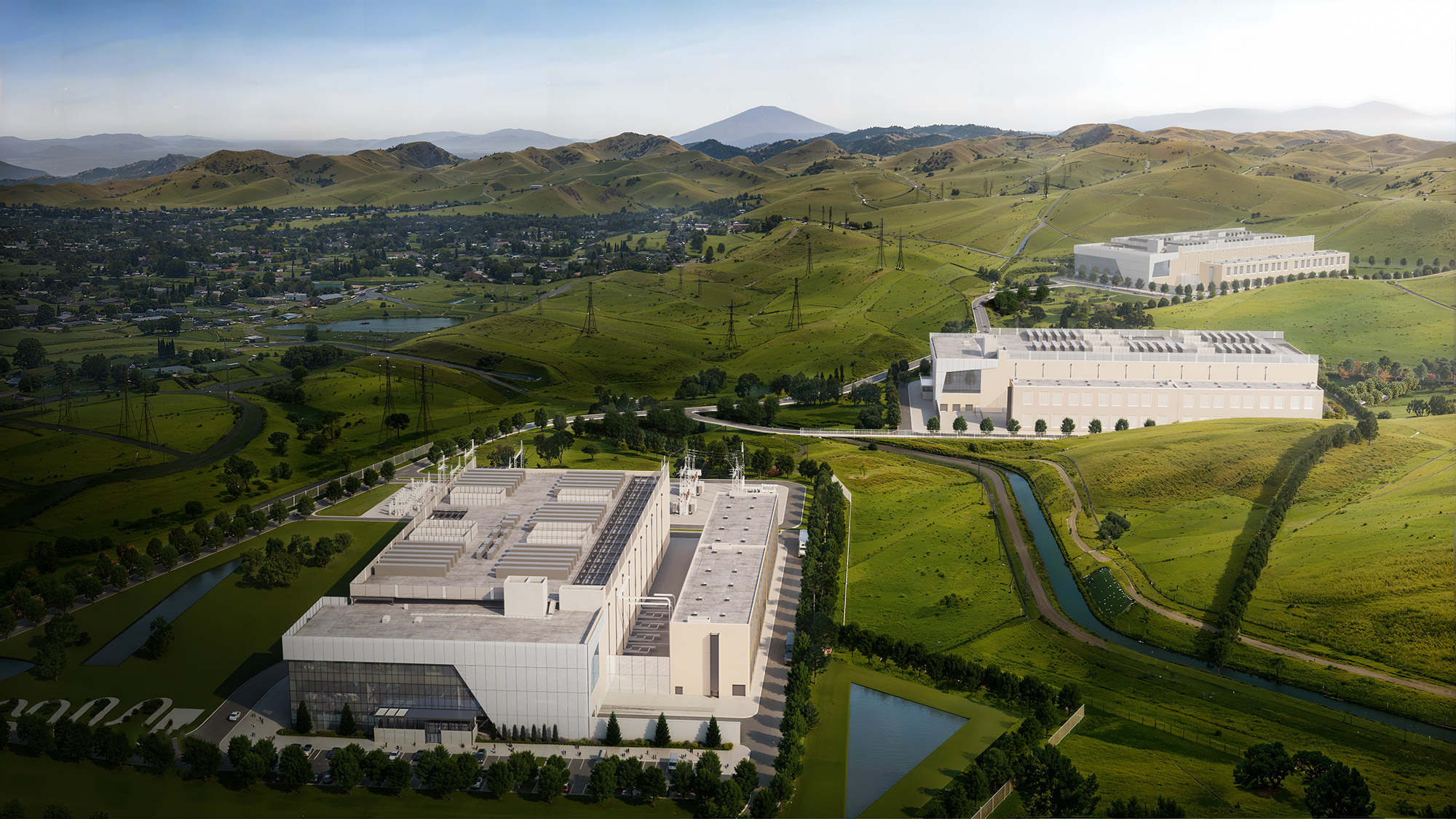
A new kind of data center, built for Pittsburg.
The Pittsburg Data Center transforms an abandoned golf course into a modern technology campus that generates millions of dollars annually for Pittsburg while placing very little demand on city services. It operates on carbon-free electricity, cools with recycled water rather than drinking water, generates very little traffic, and privately funds 100% of the power infrastructure it requires.
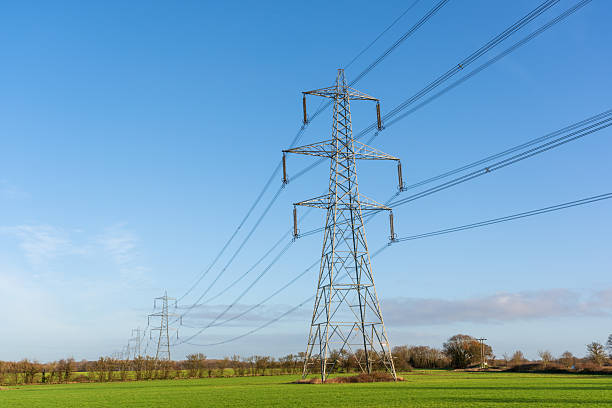
AVAIO is fully paying for all of Perseus’ electrical infrastructure and will purchase its power in the market; it does not raise residents' electrical bills.
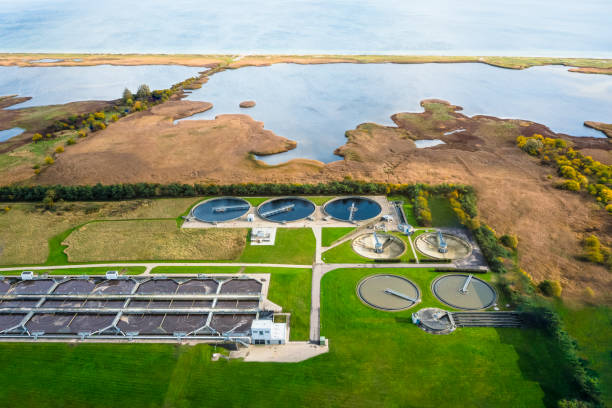
Our closed-loop cooling system fills once with recycled – not drinking – water, and then consumes no water for cooling. The whole project uses less water per day than one average restaurant.
This site itself has already burned twice, in 2024 and in 2025. Our project makes the area safer: building a site that is watered, watched, and maintained year-round.
(1).jpg)
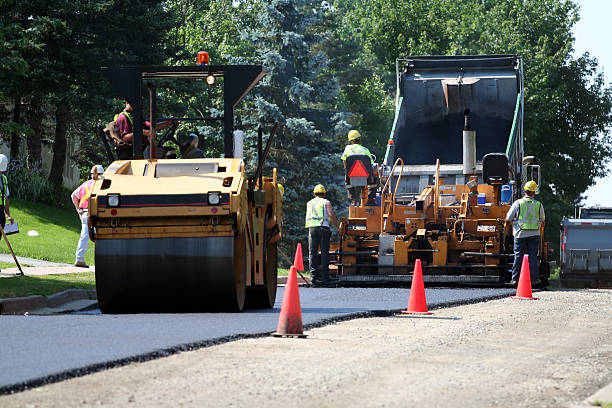
The upfront payments AVAIO will make at the start of construction and the tax revenue once operating will fund projects like soccer fields, road paving, and more, without asking you to cover the cost.
This project has gone through four years of full environmental review by multiple government agencies, including the California Energy Commission, the City of Pittsburg, the California Department of Fish and Wildlife, the US Army Corps of Engineers, the California Regional Water Quality Control Board, Delta Diablo, the Contra Costa Fire Protection District, the Bay Area Air Quality Management District and the East Contra Coast Habitat Conservancy. In November 2024, the Pittsburgh City Council voted unanimously to approve the specific plan, the environmental report and the project map. AVAIO has also reached a settlement with the Center of Biological Diversity that locks in protections on power, water and emissions. AVAIO has also made binding commitments to the Center for Biological Diversity that lock in additional protections on power, water, and emissions.

Gallons per day, per building - recycled water only
In direct pay and benefits to construction workers, at peak - Contra Costa County
Change in your utility bill
Carbon-free electricity
Long-term jobs once operating + 150-plus union trades workers on site at peak construction.
A year in new local tax revenue, once the project stabilizes - about $2.6 million a year of that goes directly to the City of Pittsburg
We know you have questions, and we want to make it easy to find the answers. The Pittsburg Data Center is part of the next generation of data centers: sustainable, eco-friendly, and designed with the community in mind.
Yes! In tax revenue alone, our project will increasing the City's general fund by 10%, funding upgrades to roads, parks, schools and more without asking you to pay more.
With a small staff and very little traffic, the community gets the revenue without the burden that usually comes attached to it.
We're also giving millions to the community directly through a Community Investment Fund, a Water Stewardship Partnership, Workforce Pipeline with Los Medanos College, and contributions to the East Contra Costa County Habitat Conservancy.
Yes, primarily in the short-term. Data centers are not large employers by design, we are not going to inflate that number. The largest long-term benefit is the revenue, not the headcount.
Building the facility is a roughly year-and-a-half effort that supports about 880 direct construction jobs in the peak year and close to 1,270 jobs in total across the local economy.
The permanent operations staff is small, around 20-30 people. That's part of why we built where we built: we know you don't want lots of traffic with long-term with people commuting in and our.
No, quite the opposite. This project that protects wildlife and enhances the surrounding natural environment, on wildfire-prone land that today sits empty and unmanaged.
The site will create of a new wetland, follow amphibian-friendly curb designs, support local pollinators, and even protect monarch butterflies. For every tree removed by construction, the project will plant four new ones to replace it.
The project runs on 100 percent carbon-free electricity, with commitments to offset any carbon emissions. It cools with recycled water rather than drinking water and uses less water on-site than the golf course did.
Perseus uses a closed loop system for cooling the data center. This means that it fills up once with about half a swimming pool’s quantity of water, and then consumes no water while cooling. The water consumed on a regular basis for Perseus will be primarily for human use within the building and for landscape purposes. The total amount consumed will be on average ~4,000 gallons per day, about the same as is consumed by one average restaurant or 16 average homes in California.
Importantly, all water used by Perseus other than drinking water, will be recycled water from Delta Diablo and it will use less than 1% of the recycled water Delta Diablo produces. So the data center will have no appreciable impact on water availability in the community. The project is actually barred from switching its cooling over to drinking water.
The old golf course actually drew many times that amount to keep its fairways green, so the move from golf course to data center actually reduces the water used on this site.
The short version is that this facility consumes no water for cooling the data center, uses a non-potable source for everything except drinking water, takes a small share of it, and uses less than before.
No to both. The project brings and pays for its own power infrastructure rather than drawing on the systems residents use every day. AVAIO builds the connection to the regional high-voltage transmission corridor that already runs alongside the site, and the company covers 100% the cost of the work. Those upgrades stay in place afterward as a permanent improvement to the area, paid for privately rather than by ratepayers.
The first building is sized at 99 megawatts, and the project is committed to running on 100 percent carbon-free electricity, with audits and reporting every year. For a neighbor, the practical result is simple. The facility arrives with its own supply at its own cost and does not raise residential electric rates.
Yes. The generators are backup power only, running only in the rare event that the facility's primary power supply goes down, the same role that backup generators play at a hospital, a fire station, or the school itself. For example, over the past five years these situations have been so unlikely that the generators would not have needed to run for even one minute. On a typical day, week, or month, they are off.
Before the project was approved, the California Energy Commission reviewed the backup power. That air-quality assessment for a resident standing outside their home without moving or leaving for over a 30-year period found the health risk changes by less than one in a million, falls below the level the state considers significant.
The honest answer starts with the land, the embedded infrastructure already present on the site, and with a choice the community made for itself. This site was set aside to become a technology park after the golf course closed in 2018 under an agreement signed in 2019 before AVAIO was involved. It was sold years ago. It sits directly next to an existing high-voltage transmission corridor, which is a major reason it fits here and would not on an ordinary residential street. The infrastructure the project relies on is already at the edge of the property.
This was not designed as something done to the community. It was built around a piece of land the city had already chosen for this kind of use, with the upside flowing back to the people who live here.
The Delta View Golf Course closed in 2018 and has sat unused since. The empty property has drawn trespassers, break-ins, and encampments. Its grounds have gone brown and dry, posing a real fire risk. The site has already burned twice, in 2024 and in 2025. It is a vacant lot that costs the neighborhood something every year it sits idle.
Our project changes that. It brings new landscaping and full irrigation, and it puts the site under security and active management year-round. The buildings stay low, near 90 feet, and sit behind that landscaping rather than rising over the neighborhood. It is a maintained, secure, landscaped campus, not an abandoned course that no longer serves anyone.
This building is one piece of a longer plan for the technology park, and we are not going to pretend otherwise. What matters for residents is that the later phases are not approved. Each one has to come back through its own public hearing, where neighbors can show up and be heard, just as they can now. Nothing about the first building decides what comes after it.
We know the technology park name left some people feeling that the scope was unclear. That is a fair criticism, and the response to it is more openness, not less. The plans and the public record are available. We will say plainly that the first building is a data center, and we will keep the community informed as each future decision comes up.
Yes.
The city decided to redevelop the golf course as a technology park as far back as 2018, before AVAIO was ever involved.
Since AVAIO became involved and proposed the Perseus project, it has gone through an exhaustive multiyear environmental review by numerous public agencies, including the California Energy Commission, the California Department of Fish and Wildlife, the US Army Corps of Engineers, the California Regional Water Quality Control Board, Delta Diablo, the Contra Costa Fire Protection District, the Bay Area Air Quality Management District, the East Contra Coast Habitat Conservancy and the City of Pittsburg.
In November 2024, the City Council voted unanimously to approve the specific plan, the environmental report, and the project map.
Still further, AVAIO has made commitments to the Center for Biological Diversity that commits us to additional protections on power, water, and emissions.
No.
We know noise is a primary concern for projects like these, but the Pittsburg Data Center was designed to be a quiet, unassuming neighbor. We are using low-noise fans, special noise reduction structures and other noise reducing measures. We are also leaving at least a football field between all houses and the data center. We have hired third-party experts to perform noise studies and these that show that any noise from the data center will be below ambient noise levels at the property line.
We’re replacing a dried-out, abandoned lot with a landscaped site that is watched, watered, and maintained year-round. In doing so, our work improves the neighborhood's appearance, makes the area safer, reduces fire risk, and supports nearby property values.